CD33 Privacy Policy: How Personal Data Is Used and Protected
The CD33 Privacy Policy explains how information is received when you visit, register, make transactions or ask for support. It helps members understand why CD33 uses data, who may receive it and how to request a review.
Activities covered by this policy
This policy covers visitors and members, from registration and login to verification, transactions and support conversations.
Banks and e-wallets have their own privacy policies. A transaction through bKash, Nagad or Rocket may create records at both CD33 and the wallet provider. Correcting information with one party does not automatically change the other party's record. Check which organisation holds the information you want reviewed.
Six categories of information
The categories below explain what may be received and why a request can involve different details. Provide the details requested for the action rather than sending every document you have.
| Information category | Details involved |
|---|---|
| Account and contact | Name, date of birth, phone number, email or address used to identify the account and communicate as the service requires. |
| Verification | Documents to check identity, age and account ownership. Send requested material only through a channel you have checked. |
| Transactions | Payment method, sending or receiving account, amount, history and reference used when reviewing a transaction. |
| Service activity | Actions recorded in the account, games or related functions while you use them. |
| Technical records | Device, browser, IP address and access times recorded by the system. |
| Support material | Questions, correspondence, screenshots and documents you submit. Hide unrelated private details before attaching them. |
Support attachments can reveal more than intended. Before sending a screenshot, hide unrelated balances, messages and private notifications. Keep the part that explains the issue visible so that the request can still be understood without exposing unnecessary information.
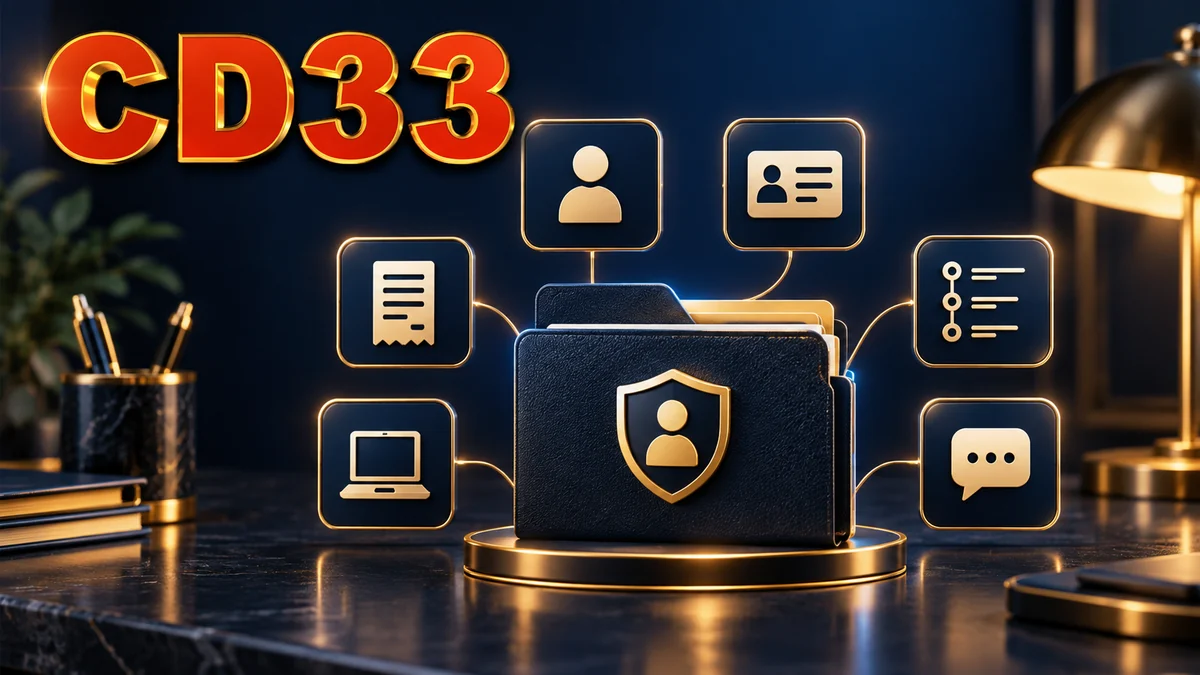
How information is received and used
CD33 receives information you provide and records generated while you use the service. Opening a page, logging in or requesting a withdrawal may create technical records.
The purposes described in this policy include:
- Managing the account and keeping member contact details usable.
- Checking identity, age and ownership when a request needs verification.
- Matching transactions with payment records and reviewing their status.
- Answering support questions and examining the details of a complaint.
- Identifying unusual activity that may affect an account or service.
- Analysing usage to improve the service and sending offers where appropriate.
For example, reviewing a ৳500 transaction needs three useful details: the amount, time and reference. These identify the payment in question. You do not need to send your entire wallet history merely to explain which transaction should be checked.
Why further verification may be needed
When you change an email, phone number or receiving account details, CD33 may check that the request comes from the account holder. You can ask why verification is required, which documents are needed and where to submit them. Do not send documents to an unverified person claiming to help. Passwords, PINs and OTPs do not belong in a support request.
When information may be shared
A payment review may require CD33 to work with a payment provider. Support and service operations can also involve providers carrying out the relevant task. The data shared should relate to that task and be limited to the information necessary to handle it.
Recipients may include payment processors, customer support providers and service partners. Providing information to an authority is considered under applicable legal requirements.
You can ask who receives information and why it is transferred. Identify the transaction or request concerned so that the question refers to a particular use of your data.
Cookies and message preferences
Cookies are small files stored in a browser. Their purposes can be grouped into four categories: sessions and security, saved preferences, usage analysis, and marketing. Tools from analytics or advertising partners may also be involved, depending on the features in use.
Manage cookies through your browser settings. Blocking or deleting them can remove a saved language preference or affect some functions.
Deleting browser cookies does not delete the member profile or transaction history stored in the service's systems. Those are separate records. If you want account information reviewed or removed, send a specific request instead of assuming that clearing the browser has done it.
To stop receiving offers, follow the unsubscribe instructions in a message or contact support. State the channel concerned, such as email. Essential account and transaction notices may still be sent because they serve a different purpose from promotional messages.
Data storage and protection
CD33 uses technical and administrative measures to reduce the risk of unauthorised access or disclosure. Access to personal information is limited to authorised people who need it for their work.
Retention depends on the purpose, type of record and applicable obligations. A support email may be kept differently from a transaction document. Closing an account does not immediately remove every record, particularly while a transaction, complaint or other request is still being reviewed.
When requesting deletion, ask what information remains, why it is still needed and when its retention can be reviewed.
Protect your access with a unique password and sign out on shared devices. Report activity you do not recognise through a contact channel you have checked. Do not include a password, PIN or OTP when describing an unfamiliar login or asking for help.
Requests to manage personal information
Members can make the following six types of request. How each is handled depends on applicable rules, the information involved and the status of the records. These options do not mean every request has the same outcome in every situation.
Access your information
Ask what data CD33 holds, why it is used and which relevant parties receive it. Specify the scope, such as transaction records from the 1st to the 7th of a particular month, rather than leaving the period unclear.
Correct inaccurate details
Name the field that is wrong and provide its replacement. Changes to a name, identity details or a receiving account may need further verification to prevent unauthorised updates.
Request deletion
You can request deletion where appropriate. Some transaction or complaint records may still need to be kept. If everything you requested cannot yet be removed, ask which records remain and why, rather than assuming the request was ignored.
Restrict the use of data
Where applicable, you can ask for processing to be limited, for example while the accuracy of information is being checked. Specify the data and use concerned. Restricting use is different from closing an account or deleting the record.
Receive and transfer data
Where this right applies, request eligible information in a structured, commonly used, machine-readable format. Direct transfer to another party also depends on the relevant conditions and technical feasibility. State which information you are asking to receive or transfer.
Object to particular uses
You can object to marketing or other uses under applicable rules. Identify the purpose you want stopped instead of making a general request to stop using all data. For promotional messages, also state the communication channel concerned.
Sending a privacy request to CD33
Use the CD33 contact page and include four details: the issue, data category, period to review and reply channel. For an email correction, identify the account and field to update; you do not need to attach every personal document to the first message.
CD33 may verify the sender before providing or changing information. Keep any request reference you receive. If an answer leaves part of the issue unresolved, identify that point and ask for clarification. Do not add passwords or OTPs to a follow-up.
Age requirements and policy changes
The service is for people who meet participation conditions, including being at least 18. Do not register with someone else's information. Report suspected underage use or misuse of your own data so that the matter can be reviewed.
The policy may change as services or data practices change. Check the update date and related notices. If the effect on your records is unclear, ask a focused question through the contact channel before sending additional sensitive information.
Read the CD33 terms of use for account responsibilities and the responsible gaming guidance for personal limits. These topics complement the privacy policy; a request about your data should still identify the specific record or use you want reviewed.
Six points to remember about your data
Use these points as a quick reference when preparing a question or checking your preferences. The detailed sections above explain the purposes and conditions behind them.
Access is limited
Personal information is for authorised people who need it for the relevant work.
Verification has a purpose
Ask which documents are needed, why they are required and where to send them.
Sharing relates to a task
Information shared for payment or support work should be limited to what that task needs.
Retention needs an explanation
Ask which records remain after a closure or deletion request and why they are kept.
Preferences can be reviewed
Manage browser cookies, specify which offers to stop and request corrections to inaccurate details.
Questions should be specific
Describe the record, period and unresolved issue, then keep the reference for follow-up.
Questions about CD33 privacy
Does deleting cookies delete my CD33 account?
No. Clearing cookies affects information stored in the browser. It does not automatically delete your member profile or transaction history held in the service's systems.
Is all data deleted as soon as I close the account?
Not necessarily. Some records may still be needed for transactions, complaints or retention obligations. You can ask which information is kept and why it remains necessary.
How do I correct my email or phone number?
Send a request through the contact channel stating the field to correct and its replacement. CD33 may verify the account holder before updating the information.
Should I send my password or OTP to support?
No. Provide details relevant to the issue being checked. Do not include passwords, PINs or OTPs in your message or attachments.
Will stopping offers also stop transaction notices?
These messages have different purposes. You can ask to stop marketing on a particular channel; essential account and transaction notices may still be sent.